Septic Tank Installation Cost in 2026: What You'll Pay
Septic system installation costs about $10,000 on national average, with most projects landing between $6,800 and $15,000. Conventional gravity systems run $4,000 to $10,000 installed; engineered systems average about $15,000 and reach $25,000 with difficult site prep.
Planning figures, not contractor quotes. How we calculate
Short answer
Installing a complete septic system costs about $10,000 on national average, with most projects landing between $6,800 and $15,000. Conventional gravity systems run $4,000 to $10,000 installed; engineered systems average about $15,000 and reach $25,000 with difficult site prep; challenging soil can push engineered systems to $30,000 to $50,000.
Cost summary
Estimates per project. See the cited sources and methodology before using these figures for a decision.
| Cost level | Estimate |
|---|---|
| Low | $3,000.00 |
| Typical | $10,000.00 |
| High | $50,000.00 |
Calculate your planning range
Enter rates from your own quotes or research. We do not supply unverified local prices.
What you'll actually pay
Installing a complete septic system costs about $10,000 on national average, with most projects landing between $6,800 and $15,000. SepticTankHub puts complete installations at $7,000 to $25,000 including the tank, drain field, piping, permits, and labor; Angi reports engineered systems at $7,000 to $20,000 with an average project of $15,000.
The full national spread is wide: $3,000 on the low end for simple installs to $50,000 for engineered systems in challenging soil. One number that surprises homeowners: the tank itself is only 15 to 30 percent of the total. The drain field, excavation, and labor carry the rest.
Labor is 50 to 70 percent of the total project budget on engineered systems, which is why the crew and equipment time, not the tank, usually decides your final price.
Sources: SepticTankHub: Septic Tank Price Guide (SepticTankHub, 2026), Angi: Engineered Septic System Installation Cost (Angi, 2026)
Cost by system type
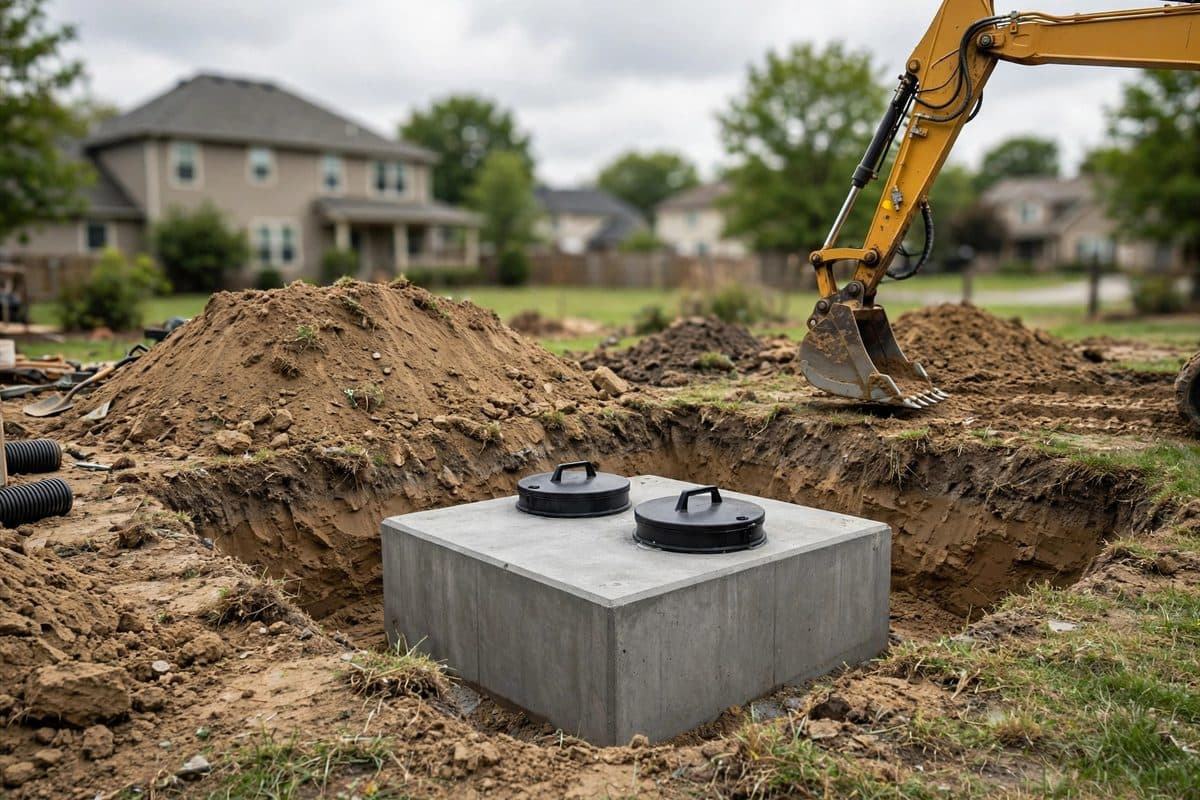
Conventional gravity systems, a tank plus a drain field, are the most common and the cheapest to install. Installed as part of a new system with drain field, excavation, and permits, a 1,000-gallon setup usually runs $4,000 to $10,000. AboutSepticTanks reports fully installed totals of $4,000 to $10,000 for concrete and $3,000 to $8,000 for plastic or fiberglass.
A tank-only replacement for a 1,000-gallon tank costs $1,800 to $5,500, before the drain field work that usually accompanies it.
Engineered systems for difficult sites run $7,000 to $20,000, averaging about $15,000 and reaching $25,000 with heavy site prep and excavation. In the most challenging soil, engineered systems with aerobic tanks or mound fields reach $30,000 to $50,000.
Sources: SepticSage: 1,000 Gallon Septic Tank Cost (SepticSage, 2026), AboutSepticTanks: Concrete vs Plastic Septic Tanks (AboutSepticTanks, 2026), Angi: Engineered Septic System Installation Cost (Angi, 2026), SepticTankHub: Septic Tank Price Guide (SepticTankHub, 2026)
Cost by tank size
Tank size follows bedroom count. A 750-gallon tank fits 1 to 2 bedrooms and costs $700 to $1,200 in concrete or $500 to $900 in plastic. The 1,000-gallon tank, standard for up to 3 bedrooms in most codes, runs $900 to $1,700 across materials: $900 to $1,500 in concrete or $600 to $1,100 in plastic.
Four bedrooms typically need 1,250 gallons; five bedrooms need 1,500 gallons, which runs $1,200 to $2,000 in concrete. Large custom homes can need up to 3,500 gallons: AJ Foss prices tanks from $1,340 for 750 gallons to $4,300 for 3,500 gallons.
Sources: AboutSepticTanks: Concrete vs Plastic Septic Tanks (AboutSepticTanks, 2026), SepticSage: 1,000 Gallon Septic Tank Cost (SepticSage, 2026), AJ Foss: Septic System Cost Guide New Hampshire (AJ Foss, 2026)
Cost by tank material
Concrete is the workhorse: $800 to $2,000 for a 1,000-gallon tank, with a 40 to 50 year lifespan. It resists vehicle traffic and will not float in a high water table.
Polyethylene (plastic) costs $600 to $1,200 for 1,000 gallons, lasts 30 to 40 years, and is lighter and cheaper to set. But plastic tanks can float in high water tables without anchoring, so wet sites need hold-down systems.
Fiberglass runs $1,200 to $2,500 for 1,000 gallons with a 30 to 50 year lifespan. Steel is not recommended: it corrodes in 15 to 20 years, the shortest life of any material.
Sources: SepticTankHub: Septic Tank Price Guide (SepticTankHub, 2026), AboutSepticTanks: Concrete vs Plastic Septic Tanks (AboutSepticTanks, 2026), SepticSage: 1,000 Gallon Septic Tank Cost (SepticSage, 2026)
What drives the price up
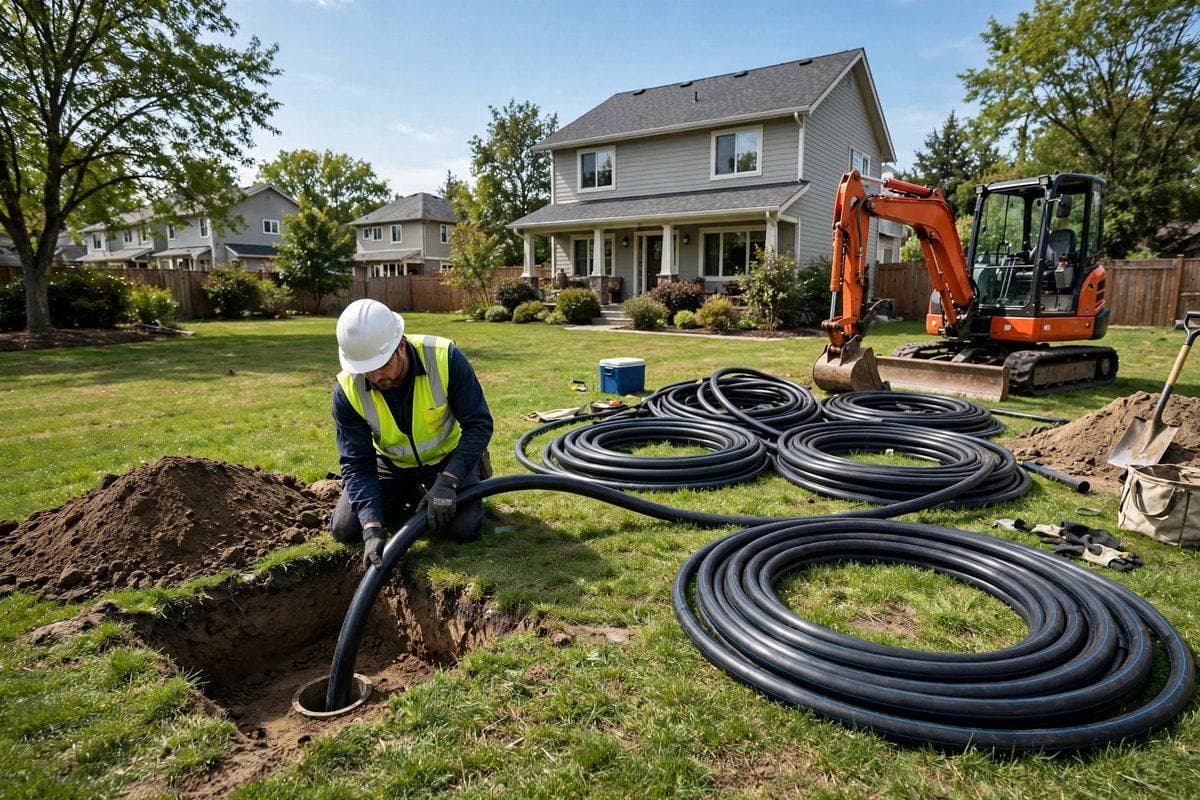
Soil decides the system. Failing percolation forces engineered systems, and excavation is priced by difficulty: installation labor and excavation add $2,000 to $5,000 to the tank-only price. AJ Foss, a New Hampshire contractor, prices equipment operation and labor at about $1,900 or more per day for excavator, dump truck, and crew, typically 3 to 5 days.
Water table and ledge conditions are the budget killers: high water tables or granite ledge mean stricter regulations and larger budgets, especially on waterfront properties. The tank is only 15 to 30 percent of the total; the drain field, piping, permits, and labor are the rest.
Labor is 50 to 70 percent of the total project budget on engineered systems. Site obstacles, fences, sheds, buried utilities, and driveways, all expand scope and days on site.
Sources: SepticTankHub: Septic Tank Price Guide (SepticTankHub, 2026), AJ Foss: Septic System Cost Guide New Hampshire (AJ Foss, 2026), Angi: Engineered Septic System Installation Cost (Angi, 2026)
Septic vs sump pump: the water-table connection
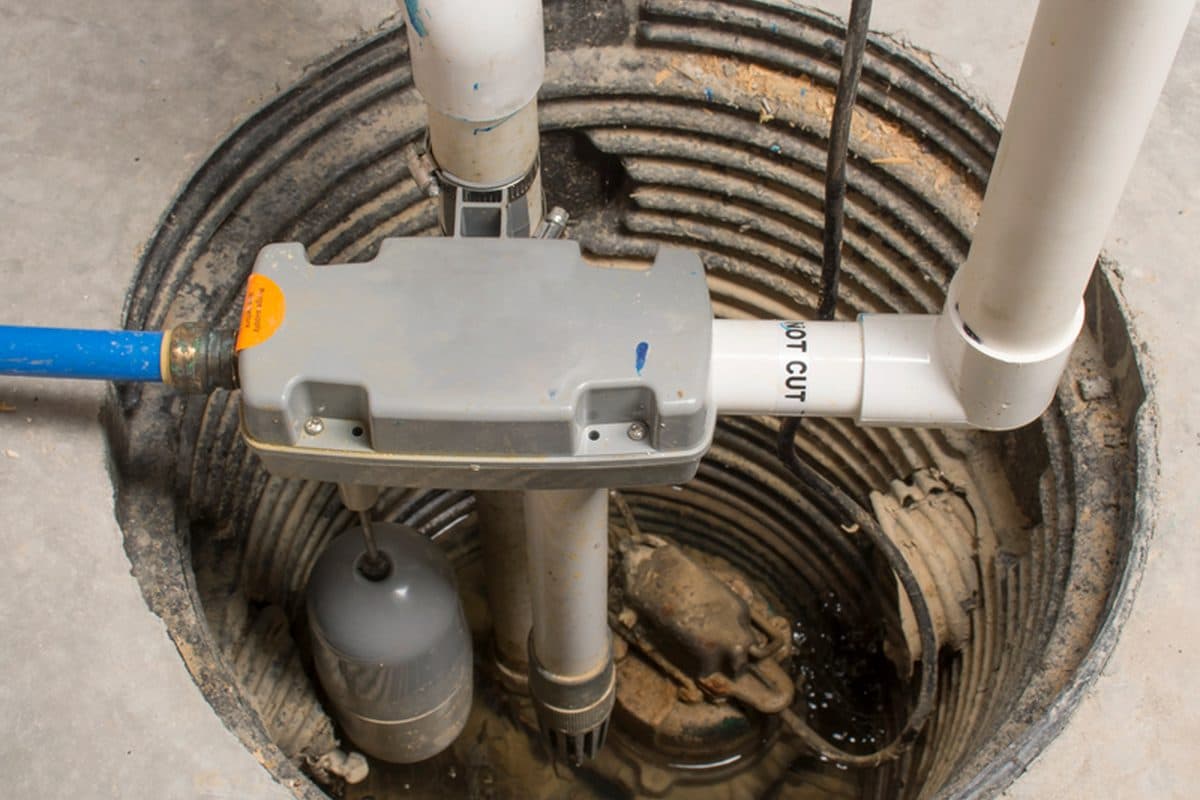
Septic systems handle wastewater leaving the house; sump pumps handle groundwater entering the basement (see our sump pump installation cost guide). But the same water table drives both costs: a high water table can force engineered septic designs and active basement dewatering on the same property.
In high water tables, plastic tanks can float without anchoring, which is one reason contractors in wet regions lean toward concrete. Rural homeowners on septic almost always have well water too, so the septic, well, and sump pump decisions often land in the same project season.
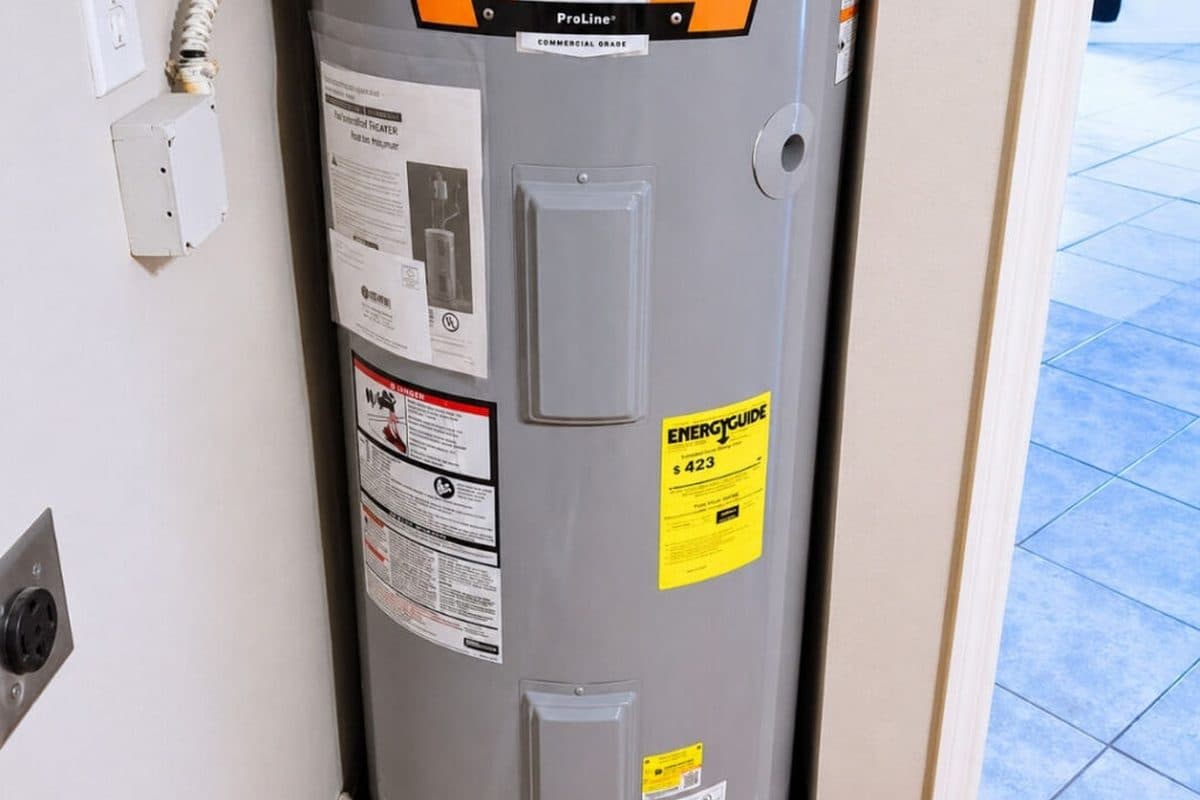
Budget framing helps: septic is the plumbing cluster's biggest ticket by an order of magnitude (see our water heater installation cost guide for the other end of the spectrum). Permits, soil testing, and three contractor quotes matter more here than anywhere else on the plumbing side of the house.
Sources: AboutSepticTanks: Concrete vs Plastic Septic Tanks (AboutSepticTanks, 2026), SepticTankHub: Septic Tank Price Guide (SepticTankHub, 2026)
Sources
- SepticTankHub: Septic Tank Price Guide (SepticTankHub, 2026) (accessed 2026-10-10)
- Angi: Engineered Septic System Installation Cost (Angi, 2026) (accessed 2026-10-10)
- AJ Foss: Septic System Cost Guide New Hampshire (AJ Foss, 2026) (accessed 2026-10-10)
- AboutSepticTanks: Concrete vs Plastic Septic Tanks (AboutSepticTanks, 2026) (accessed 2026-10-10)
- SepticSage: 1,000 Gallon Septic Tank Cost (SepticSage, 2026) (accessed 2026-10-10)
Frequently asked questions
How much does a plumbing project cost?
Installing a complete septic system costs about $10,000 on national average, with most projects landing between $6,800 and $15,000. Conventional gravity systems run $4,000 to $10,000 installed; engineered systems average about $15,000 and reach $25,000 with difficult site prep; challenging soil can push engineered systems to $30,000 to $50,000.
Why is there a cost range instead of a single price?
Project costs move with scope, finish level, and local labor rates. This guide splits the national planning range into low, typical, and high levels, and the scope sections explain what pushes a project toward each end. Use the range to budget, then collect itemized contractor quotes for your exact project.
Are these figures contractor quotes?
No. They are national planning ranges compiled from published, cited sources, shown with their assumptions and limitations. Treat them as a budgeting starting point, not a bid. Our methodology page explains how every figure is sourced and reviewed.